
Rebuilding from the Rupture: Tisha B’Av, Trauma, and the Power to Grow
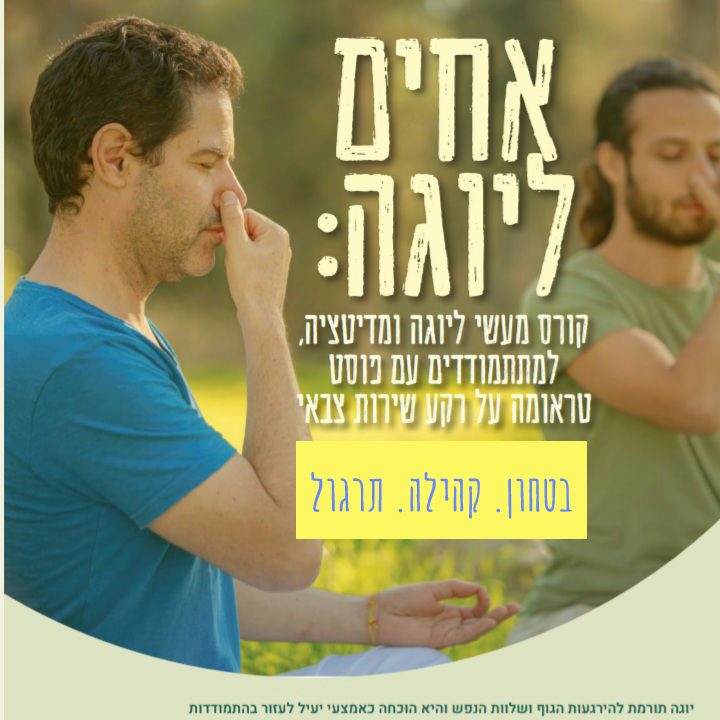
This week, we marked Tisha B’Av, a day dedicated to remembering destruction, loss, and rupture. In the world of trauma recovery, the concept of “destruction” is not a distant historical memory. It is something felt in the body.
When we experience a traumatic event, our inner home can collapse. Our sense of safety, control, and trust in the world can become cracked and shattered.
During these moments, the body may experience heightened alertness, a heaviness in the chest, or, on the other side of the spectrum, numbness and inner disconnection.
But the deeper message of our tradition, just like the path of yoga, is that the rupture is not the end of the story.
The Rupture as a Beginning, Not an Ending
The profound strength of our people and our tradition has never been found in ignoring
pain, but rather in the deep ability to rebuild ourselves.
After every fall, something new was created. Not through erasing the pain or pretending everything is fine, but through a form of growth that emerges from within the broken places.
We call this post-traumatic growth.

Trauma itself is difficult and painful, and there is nothing “good” about the suffering it brings. We do not give thanks for the pain. But the process of facing it, the willingness to not remain frozen in the face of destruction, but to breathe into it - can reveal strengths within us that we never knew existed:
A deeper appreciation for small moments :A quiet moment, a cup of coffee, or a sunrise can suddenly carry a new and profound meaning.
Strengthening connection and love: The ability to open ourselves, accept support from others, and create relationships that are more honest and meaningful.
Discovering inner strength: The understanding that even when we encounter difficult places, there is a part of us that remains unbroken.
Clarity around what truly matters: A deeper awareness of what is genuinely important in life, and what we can choose to let go of.
The path toward light does not come from avoiding the darkness.
Just as the mourning of Tisha B’Av begins a gradual journey toward Tu B’Av - a holiday of connection, love, and hope.
So too does our healing process unfold.
We do not rush to “become exactly who we were before.”
The person we were may have changed. Yet from the fragments, we can build something new: a person who is more sensitive, more connected, and more deeply rooted.

How do we practice stability and rebuilding in everyday life?
When our nervous system is overwhelmed by memories or feelings of loss, we need small and accessible anchors.
Ask yourself: What are the things that bring me comfort and support?
Maybe it is listening to music, spending time in nature, taking a deep breath, sharing with a close friend, moving your body, or practicing yoga…
Hope is not the expectation that everything will be easy or simple.
Hope is the belief that, from everything we have been through, we can still create a future that is meaningful, worthy, and good ૐ


Thank you